
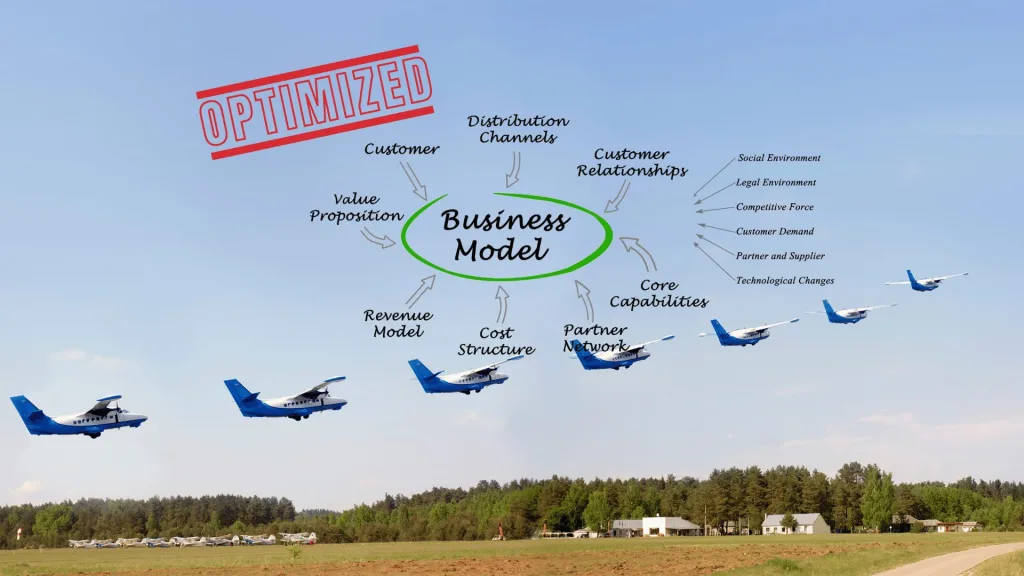
Business model optimization is the process of analysing and refining the way a business creates, delivers, and captures value and makes it more efficient, effective, and profitable. It is a key aspect of business transformation and an essential step for any business, as it helps them to stay competitive and relevant in a rapidly changing business landscape.
In this article, we will explore the importance of business model optimization within a business transformation process and the advantages it can bring to a business.
What is Business Model Optimization?
A business model is the framework that outlines how a company creates, delivers, and captures value. Business model optimization is the process of refining and improving that framework to increase profitability and competitiveness. The goal of business model optimization is to identify the areas of a business that are not working as effectively as they should be, and to find ways to improve those areas.
Why is Business Model Optimization Important?
Business model optimization is an essential aspect of any business transformation process. As businesses adapt to new market conditions, changing customer needs, and emerging technologies, they must constantly evaluate and refine their business models to stay competitive and relevant. By optimizing their business model, companies can identify new market opportunities, adapt to changes in the market, and create more value for their customers. Here are eight advantages that can accrue from business model optimization:
Advantages of optimizing your Business Model
1. Increased Efficiency: Business model optimization can lead to increased efficiency by reducing waste and redundancies. By streamlining processes, businesses can reduce costs and improve productivity, resulting in higher profitability.
2. Improved Competitive Advantage: Business model optimization can help a company gain a competitive advantage in the market. By understanding their customers’ needs and wants, businesses can create a more targeted and effective value proposition, setting themselves apart from competitors.
3. Identification of New Opportunities: Through the process of business model optimization, companies can identify new market opportunities and ways to innovate. By analysing the market and their own capabilities, businesses can identify new areas for growth and expansion.
4. Flexibility and Adaptability: Business model optimization can help companies stay flexible and adaptable in the face of changing market conditions. By regularly evaluating their business model and making necessary adjustments, companies can respond quickly to new challenges and opportunities.
5. Better Alignment with Customer Needs: Business model optimization can help companies better align with their customers’ needs and preferences. By understanding what their customers want and how they want it, businesses can create a more targeted and effective value proposition. This can lead to increased customer satisfaction, loyalty, and positive word-of-mouth.
6. Improved Profitability: By optimizing their business model, companies can increase profitability by identifying inefficiencies and finding ways to reduce costs. This can lead to increased revenues and profits, which is essential for the long-term success of any business.
7. Increased Innovation: Business model optimization can lead to increased innovation by identifying new market opportunities and ways to differentiate from competitors. By focusing on their core competencies, companies can identify areas for innovation and invest resources in developing new products or services.
8. Enhanced Organizational Alignment: Business model optimization can help to enhance organizational alignment by creating a shared vision and understanding of how the business creates, delivers, and captures value. This can help to create a more collaborative and effective culture, which is essential for driving long-term success.
Here are a few tips on how you can go about optimizing your business model.
Tips for Business Model Optimization
- Identify your core competencies: The first step in business model optimization is to identify your company’s core competencies. This means understanding what your business does best and how it creates value for customers. By focusing on your core competencies, you can identify areas where you can improve and differentiate yourself from competitors.
- Understand your customers: To optimize your business model, you need to understand your customers’ needs and wants. This means conducting market research to identify your target market and what they are looking for in a product or service. By understanding your customers, you can create a business model that better meets their needs.
- Embrace technology: Technology can be a powerful tool for optimizing your business model. By embracing technology, you can automate processes, reduce costs, and improve efficiency. This can help you to create a more streamlined and effective business model.
- Test and measure: When optimizing your business model, it’s important to test and measure your changes. This means setting goals, implementing changes, and tracking your results. By doing this, you can identify what is working and what isn’t, and make adjustments as needed.
- Stay agile: Finally, it’s important to stay agile and adaptable when optimizing your business model. The business landscape is constantly changing, and you need to be able to respond quickly to new challenges and opportunities. This means being open to new ideas and willing to make changes as needed.
Conclusion
In conclusion, business model optimization is an essential aspect of any business transformation process. By optimizing their business model, companies can increase efficiency, gain a competitive advantage, identify new opportunities, stay flexible and adaptable, better align with customer needs, improve profitability, increase innovation, and enhance organizational alignment. By identifying areas for improvement, understanding your customers, embracing technology, testing and measuring, and staying agile, you can create a more effective and efficient business model that meets the needs of your customers and drives long-term success.
All of these advantages are essential for long-term success in today’s rapidly changing business environment. Therefore, it is important for companies to prioritize business model optimization as they undergo business transformation.
About the Author
Kallol Choudhury is the founder of the Business Transformation Center TM, where he helps small businesses and entrepreneurs transform into scalable, sustainable, and successful, profitable ventures.
To know more please visit his website: https://www.kallolc.com.